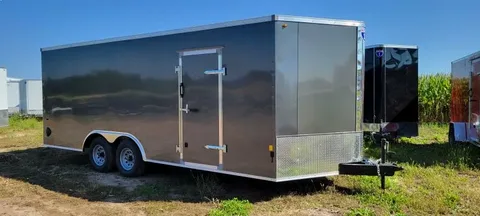
For many, a trailer isn’t just a purchase. It’s the key to a new business venture. It supports an existing fleet. It also opens the door to weekend adventures.
Whether you need to haul materials for a construction project or take your family across the country, a new trailer can cost a lot. That is where trailer financing comes into play.
Securing the right financing helps you keep working capital, spread costs over time, and get the equipment you need now. However, not all financing is created equal. The process for a finance dump trailer for your landscaping business looks very different from securing a loan for a weekend camper.
In this guide, we will explain trailer financing for all types of trailers, from heavy-duty commercial rigs to personal RVs.
Understanding the Basics of Trailer Financing
Before diving into specific trailer types, it helps to understand how trailer loans generally work. Most trailer loans are secured loans, meaning the trailer itself serves as collateral for the lender . This often leads to lower interest rates than unsecured loans, since the lender can take an asset if you default.
You can obtain financing through several channels:
- Banks and Credit Unions: Often offer competitive rates, especially for members. Credit unions like MIT Federal Credit Union offer low, fixed rates. Qualified buyers pay no prepayment penalties.
- Dealer Financing: Convenient and fast, often done on the spot. However, note that dealers may offer 0% interest promotions. Still, they may raise the trailer price to offset it.
- Specialized Finance Companies: These lenders understand how commercial trailers are used and lose value over time. They may also be more flexible with credit.
Commercial vs. Recreational: Knowing Your Intent
Lenders categorize trailer loans based on how you intend to use the vehicle. A bank will view a trailer used to generate income differently than one used for leisure.
Commercial financing for a finance dump trailer, car trailer, or enclosed trailer used for business depends on your cash flow. It also depends on your credit history. Lenders want to see that the trailer will pay for itself.
Recreational financing for a used travel trailer depends on your personal credit score and debt-to-income ratio. It works much like an auto loan.
1. Utility Trailer Financing: The Versatile Choice
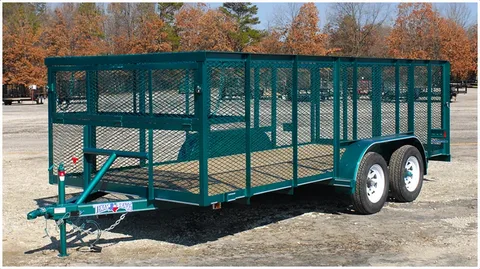
Utility trailer financing is often the entry point for many small business owners and DIY enthusiasts. Utility trailers are used for everything from hauling lawn equipment to moving furniture.
Because these trailers are generally less expensive than heavy trucks or large RVs, loan terms can vary. You might find that lenders offer shorter terms for these smaller assets. However, because they are so versatile, they hold their value reasonably well. Some credit unions even categorize them similarly to RVs for lending purposes, offering competitive rates for well-qualified buyers .
Tip for Conversion: If you are a contractor who is just starting out, mention a utility trailer financing plan. Choose a longer term. It can keep monthly payments low. This helps you build your client base without high overhead costs.
2. Finance Dump Trailer: Powering Your Heavy-Haul Business
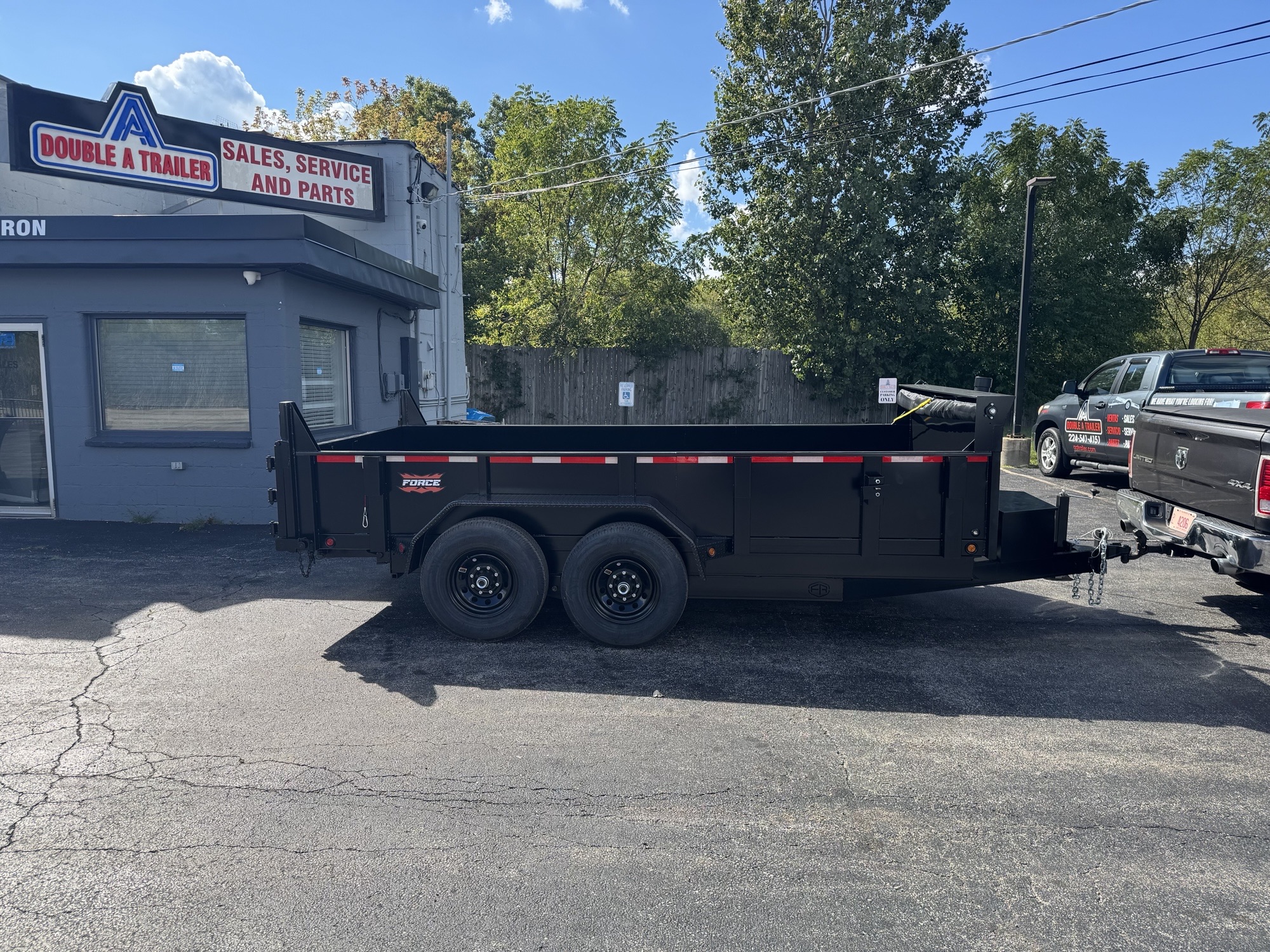
For those in construction, landscaping, or agriculture, learning how to finance dump trailer purchases is crucial for growth. A dump trailer is a hard-working asset that takes a beating. Your financing plan should match its life cycle.
When applying for a dump trailer loan, lenders will pay close attention to the trailer’s specifications. Is it a standard end dump, or a heavy-duty side dump? The type of work you do (hauling gravel vs. demolition debris) affects the trailer’s depreciation .
New vs. Used:
- New: Easier to finance with better terms and comes with a warranty, protecting your cash flow from unexpected repairs .
- Used: A smart way to get more capacity for less money. Be ready for higher interest rates or shorter loan terms if the trailer is older.
Pro Tip: Lenders often look for a down payment of 10-20% when you finance dump trailer purchases, especially if you are a new business .
3. Used Travel Trailer Financing: Hitting the Road Smarter
Not everyone needs a brand-new RV with all the bells and whistles. The market for used travel trailer financing is strong. Smart buyers know trailers lose value fast in the first few years. By buying used, you often get more trailer for your money.
However, financing a used travel trailer comes with specific rules. The age of the unit often dictates the loan terms. While a new travel trailer might qualify for a term of up to 20 years, lenders may cap an older model at 5 to 7 years.
Why this matters: A shorter term means higher monthly payments, but it also means you pay less interest overall . Before you shop, check the manufacturer date. Know that lenders are cautious with older or high-mileage units. They may require a larger down payment.
4. Car Trailer Financing: Hauling Assets Safely
Whether you are a race car fan or a car dealer, you may need vehicle transport. Car trailer financing can help you get the equipment you need. It also helps you move high-value goods safely.
Car trailers range from open-air models to fully enclosed ones. Financially, lenders view these as assets that facilitate a hobby or a business. If you are using the trailer to transport race cars (a hobby), the loan will be viewed as recreational. If you are a repo company or a delivery service, it is commercial.
Conversion Angle: Emphasize that financing an enclosed car trailer protects the vehicles you haul from weather and debris. It also serves as a secure storage unit. This adds value and helps justify the investment.
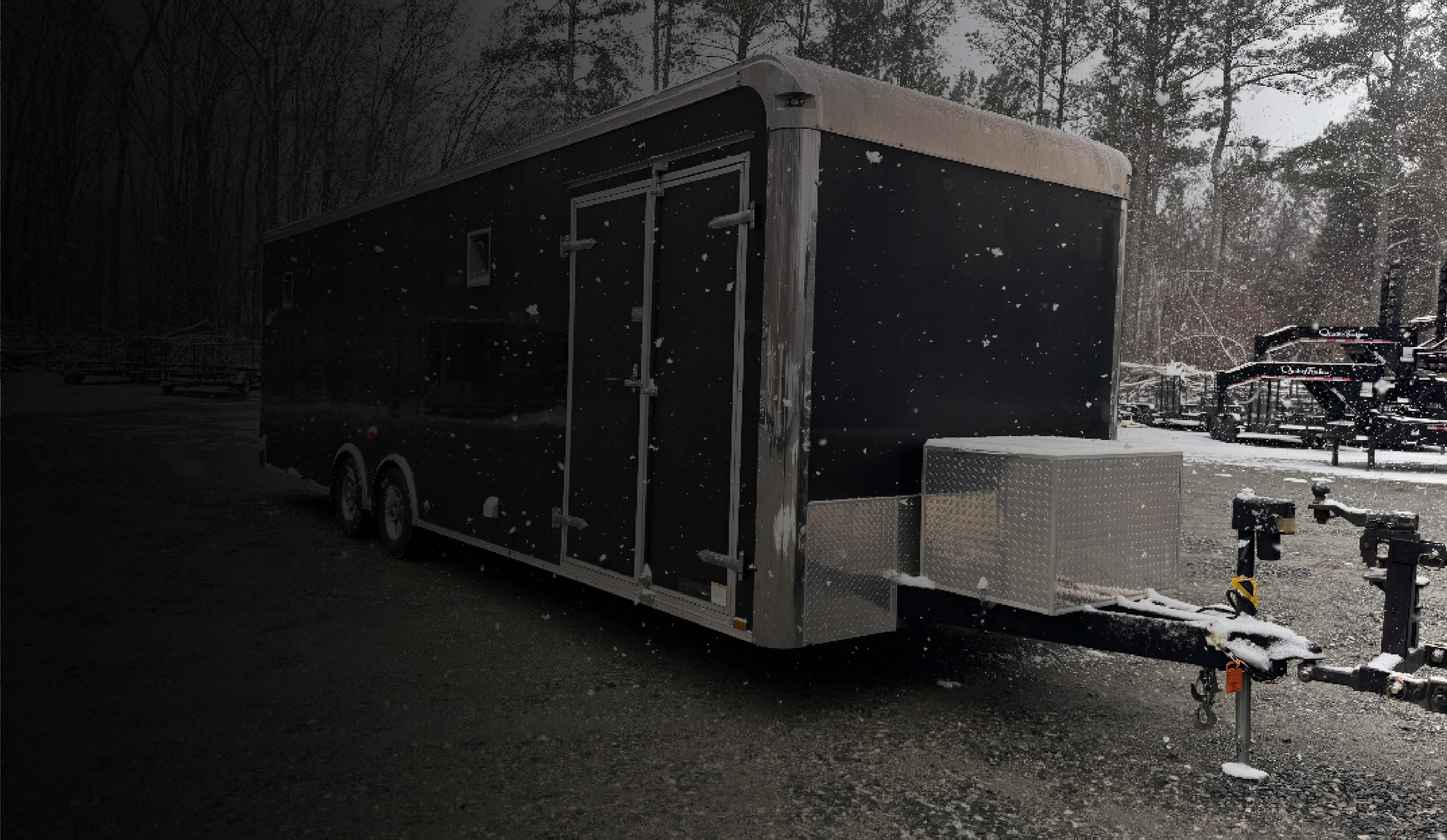
5. Finance a Enclosed Trailer: Protection and Versatility
Knowing how to finance a enclosed trailer opens doors for many entrepreneurs. Enclosed trailers are used for mobile businesses, like food trucks or dog grooming. They also carry high-value cargo and provide secure storage.
Because enclosed trailers essentially serve as “tool sheds on wheels,” lenders often view them favorably. They are less likely to sit idle compared to specialized equipment. If you want to finance an enclosed trailer for business, you may qualify for an equipment loan. It may let you delay principal payments for one or two years. This gives your business time to get started before full repayment begins.
Key Takeaway: When financing an enclosed trailer, factor in the “wraps” or branding you might put on the sides. These additions can turn your trailer into a mobile billboard, increasing your return on investment and making the monthly payment easier to justify.
Loan Terms, Rates, and Your Credit Profile
No matter which type of trailer you are financing, the numbers game remains consistent.
- Credit Scores: Aim for a score of 670 or higher to secure the best interest rates. If your score is below 640, you may still qualify, but expect higher rates and a requirement for a larger down payment . For commercial loans, lenders consider how long your business has operated, but they can still approve new businesses with a solid plan.
- Interest Rates: As of late 2025, rates for new trailers and RVs may start near 7.75% APR. This is for well-qualified buyers. Rates can change based on the lender and market conditions.
- Down Payments: Most lenders look for 10% to 20% down . While “zero down” options exist, they often come with higher overall costs or stricter approval criteria.
Conclusion: Matching the Payment to the Purpose
Trailer financing doesn’t have to be a roadblock. By matching the loan type to the trailer’s purpose, you can get terms that fit your budget.
This could be a rugged finance dump trailer for a job site.
It could be a secure enclosed trailer for a new business.
Or it could be a cozy used travel trailer for family memories.
Before you sign, compare offers from several lenders. Read the fine print for prepayment penalties. Make sure the amortization schedule matches your trailer’s useful life. With the right plan, you’ll hitch up and start reaching your goals in no time.